People

Buzby’s Chatsworth General Store Going Out of Business Sale
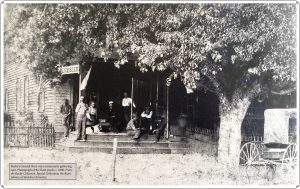
On Saturday, June 17, 2017, the iconic Buzby’s General Store in Chatsworth will be closing its doors when proprietor R. Marilyn Schmidt retires. Buzby’s has

On Saturday, June 17, 2017, the iconic Buzby’s General Store in Chatsworth will be closing its doors when proprietor R. Marilyn Schmidt retires. Buzby’s has
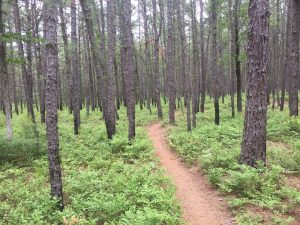

Have you ever heard of the Penn Branch Mountain Biking trail in Wharton State Forest? You wouldn’t be alone if you haven’t. It is a
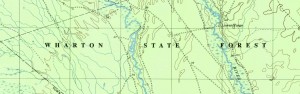
Last summer the DEP announced the M.A.P. (Motorized Access Plan) for Wharton State Forest. This plan was an attempt at preventing damage done by off-road


Once upon a time in Europe, bards would be employed to document historical events and folklore through verse and music. It was a marriage of
This morning the Pinelands Preservation Alliance released an email blast urging people to support the Wharton State Forest Motorized Access Plan. Rather than coming up with ways
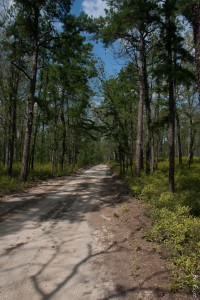

Now that the vast Wharton estate, tri-county treasure trove of many of these stories, is back in the news, I feel impelled to refresh your
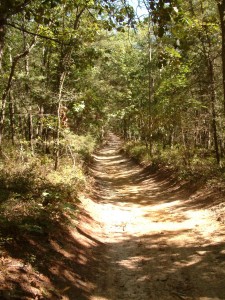
The DEP recently released a FAQ addressing what they felt was misinformation about the new Wharton Motorized Access Plan. The only misinformation about the MAP


The following is a blog post from the Pinelands Adventures website that I was asked to post on NJPineBarrens.com. In the interest of presenting facts
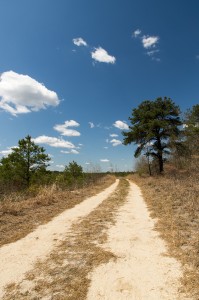
More than two weeks after volunteers under the direction of Wharton State Forest superintendent Robert Auermuller began to close a significant portion of the roads in
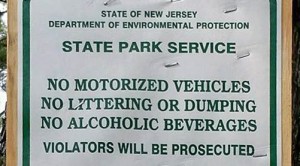
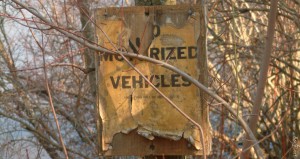
This is important. In a very disappointing turn of events, Wharton State Forest Superintendent Rob Auermuller and a team of volunteers have been posting “No